
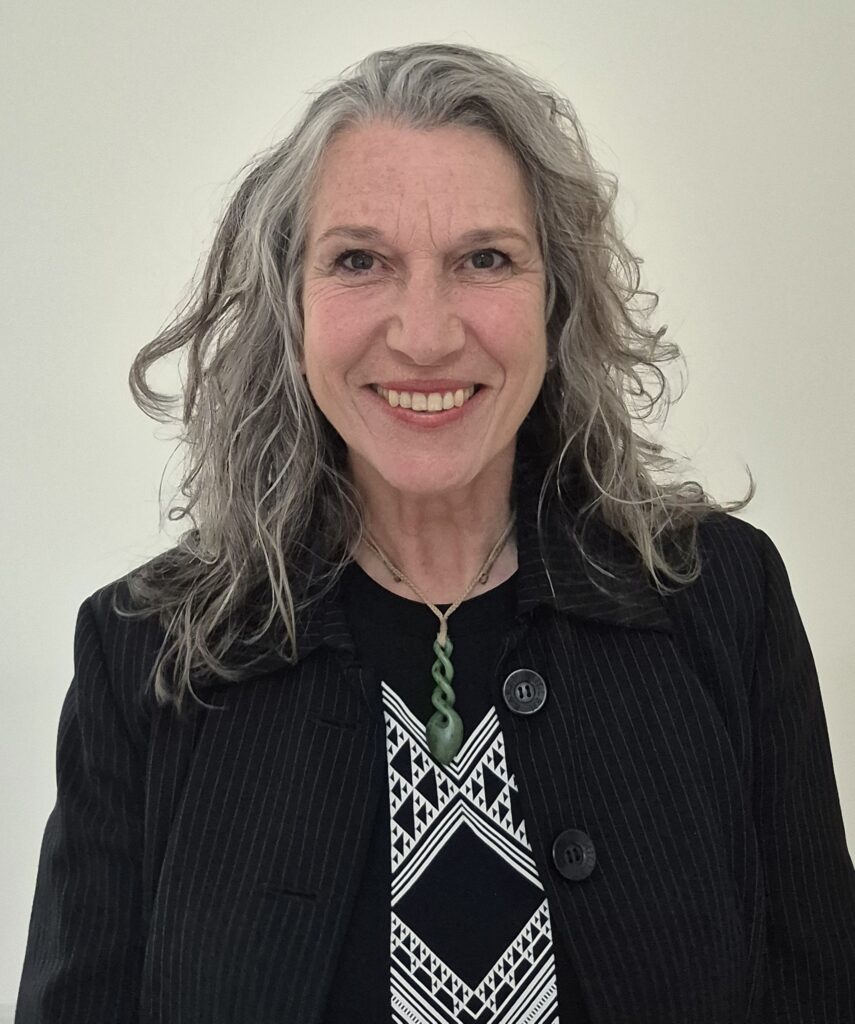
I am fortunate to have been welcomed into a great Professional Learning Group. Seven primary principals from a variety of schools, both town based and rural, who meet monthly. The host Principal chooses the venue, picks a short reading and pays for breakfast for the group. We start the hui with karakia and ‘What’s on top?’ and then we talk about the reading. We employ a facilitator who keeps us all on track and makes a record of our hui which becomes a key part of our Professional Growth Cycle.
The power of this group is not that we all share the same educational philosophy and work in the same way. We don’t. The power of this group is that it creates a safe space where we can share the joys, stresses and challenges of leadership with others who understand and whom we trust to keep it real. It is a safe space to be vulnerable – our group is made up of four male and three female principals and there are times when tears are shed and frustration is shared.
Unsurprisingly, we often talk about the amount of time and money we spend trying to meet the needs of tamariki who struggle to learn in classrooms and to regulate their emotions in the playground. It is apparent from the discussion that despite our considerable expertise and hardwork all of us are struggling. In our most recent hui, one of my Principal colleagues shared frustration at how much leadership time and energy this relatively small number of children consume and wondered whether we just need to get tougher with stand downs and suspensions. My instinctive response was to shake my head because this doesn’t fit with my view of PB4L and restorative practice – but I stayed silent because I see that my kaiako are working so hard at rewarding desired behaviour but for some kids this just doesn’t seem to make a difference and I know stand down days at my kura have increased this term.
At this point another colleague, who has been exploring trauma informed practice began to talk about a book she has been listening to by Dr. Ross Greene, that has deeply challenged her thinking.
I travel 35 minutes to school and on the way home I listen to audiobooks, so I added Lost at School to my reading list. Because the last week of Term 3 didn’t seem like the time to take on a big piece of professional reading, I prioritised a light hearted novel. The Rosie Projec**t follows Don Tillman, a socially awkward genetics professor, who attempts to create a scientifically based Wife Project to overcome his ineptitude at dating. The book and the two other novels in the trilogy are laugh out loud funny, charting Dr. Tillman’s progress through dating, marriage and fatherhood. He marries ‘the world’s most incompatible woman’ and has a son. The final novel, The Rosie Result, sees Don working through his son Hudson’s schooling; Hudson exhibits many of his father’s traits and the school wants him to have an Autism assessment. I found the series an unexpectedly thought provoking journey through neurodiversity. During the school holidays I embarked on my colleague’s recommendation.
In Lost at School, Dr. Ross Greene looks at why kids struggle with behaviour and how adults can help. He introduces the Collaborative & Proactive Solutions (CPS) model, which is all about understanding that ‘kids do well if they can.’ Greene argues that traditional discipline methods like punishment or rewards don’t work because they don’t get to the root of the problem. Instead, he suggests collaborating with kids to figure out what’s causing the behaviour and solving it together. The key steps of the CPS process are as follows:
- 1. Identify Lagging Skills and Unsolved Problems
Lagging Skills: Identify the specific skills the child lacks (e.g., difficulty with emotional regulation, flexibility, frustration tolerance). Unsolved Problems: Identify the unsolved problems or situations in which the child’s lagging skills cause difficulties. Greene provides a tool called the Assessment of Skills and Unsolved Problems (ASUP) to help adults to identify the specific skills and problems. All of his resources are available free to use online at Livesinthebalance.org.
- 2. Plan B: The Collaborative Problem-Solving Process
Plan B is the core of the CPS approach and involves a collaborative process between the adult and the child to solve a problem together. It has three key steps:
Empathy Step
Goal: Understand the child’s perspective on the unsolved problem. Approach: Engage in a conversation with the child to gather information about what’s going on for them. Adults should ask open-ended questions and listen carefully without judgement. Example question: ‘I’ve noticed you’ve been getting frustrated during maths. What’s going on?’
Define the Problem Step
Goal: Express the adult’s concerns and share how the unsolved problem affects others. Approach: The adult explains their perspective, focusing on how the problem impacts the child’s learning, relationships, or the classroom environment. Example: ‘I’m concerned because when you get frustrated during maths, it’s hard for you to focus and learn, and sometimes it interrupts the class.’
Invitation Step
Goal: Collaboratively generate solutions that address both the child’s and the adult’s concerns. Approach: Invite the child to brainstorm potential solutions, aiming for a realistic and mutually satisfactory outcome. Example: ‘I wonder if there’s something we can try to help you feel less frustrated during maths. Do you have any ideas?’
- 3. Implement the Solution and Follow-Up
Once a solution is agreed upon, it’s important to implement it and follow up to see how well it’s working. If the solution doesn’t fully resolve the issue, return to Plan B to adjust the approach.
- 4. Use of Plan B Regularly
CPS encourages using Plan B regularly, especially when behavioural challenges arise. The goal is to address unsolved problems proactively, helping to reduce challenging behaviours over time.
-
- Avoid Plan A (Imposing Adult Will)
Plan A involves imposing adult will on the child (e.g., using punishments or rewards). CPS suggests minimising Plan A because it can escalate challenging behaviour and doesn’t teach the child the skills they need to solve the problem.
The book gives lots of examples of how this approach works in real classrooms, showing that when teachers and students collaborate, the result is a more peaceful and productive learning environment. Greene emphasises that it takes time, communication, and respect from both sides to make this work.
To me, Lost at School offers a step that is missing from both PB4L and Restorative Practice. I know that our tamariki can reflect on their behaviour and contribute ideas and this is built into my restorative practice model – after a tamaiti has put things right I ask them, ‘What can we do differently so this doesn’t happen again?’ But why wait for things to go wrong before having this conversation – why not have proactive Plan B conversations?
I have also been wrestling with my feelings around stand down and suspensions. I follow Trauma Informed Educators NZ on Facebook – this week they shared an American Academy of Pediatrics report on research over 20 years which concludes that suspensions and expulsions can have lifelong consequences, don’t necessarily deter misbehaviour and disproportionately impact students from marginalised communities. What does the AAP recommend? That schools reduce the use of exclusionary discipline through trauma-informed practices, as well as collect and analyse discipline data to identify areas for improvement.
As Maya Angelou said, ‘Do the best you can until you know better. Then, when you know better, do better.’