
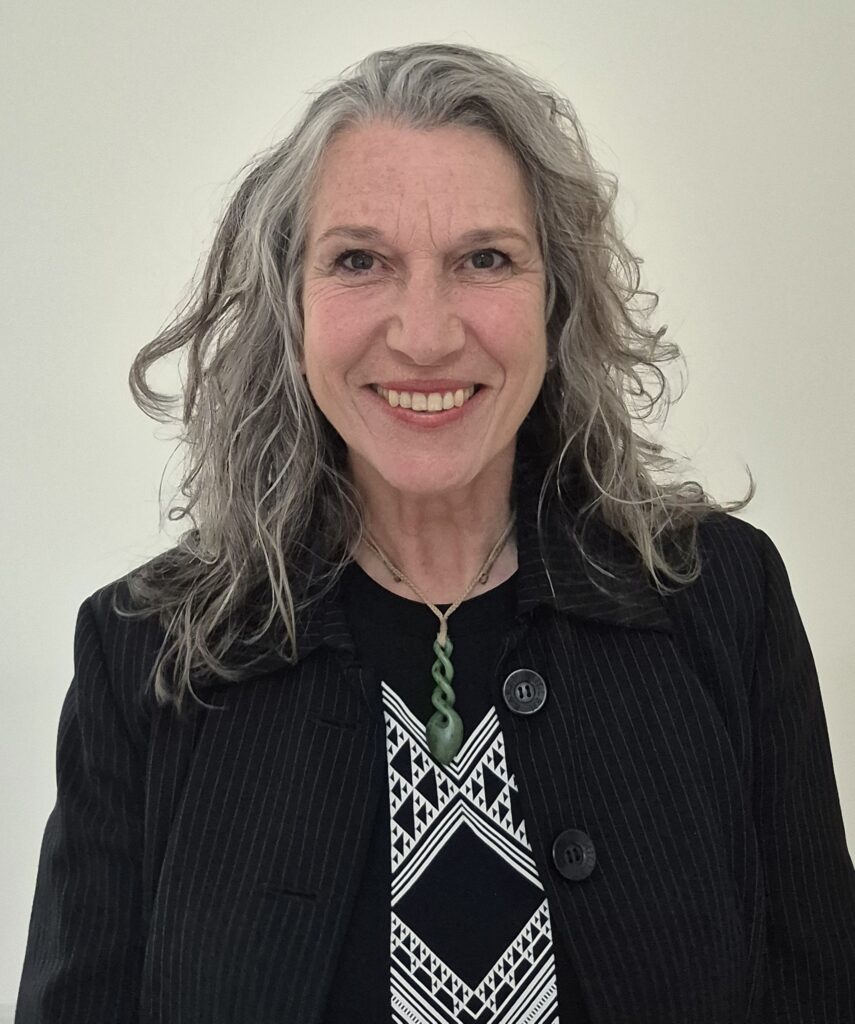
I grew up in the UK in a home where there was lots of love but not much money. As a consequence, our family qualified for free school meals. In the UK, this was (and still is) a means-tested benefit available to children from low income homes. At primary school, most children ate hot lunches which were hearty, affordable and served from a school kitchen – this meant that I lined up with everyone else to get my lunch and it wasn’t obvious to anyone that I was ‘poor’.
At the age of 11, I headed off to high school. Whilst my entitlement to free food didn’t change, the way it was administered did. Every morning, I lined up outside the Deputy Principal’s Office to get a ‘Free Dinners’ yellow token. At lunchtime, I handed over my yellow token and everyone else paid cash. Some teenagers who qualified for a free meal did not claim one because of the shame they felt as a result of this system. Nobody meant it to be shameful – but it was. The system wasn’t designed to be humiliating – but it was.
There are so many small, daily, intangible humiliations that accompany the very real tangible hardships of poverty for children and young people. If we are to create equity, our systems should focus on removing barriers and minimising shame.
Don’t get me wrong. I appreciate the fact that I grew up in a country where my parents lack of formal education and low income did not prevent me from attending university and achieving success. Was it harder for me than for my friends who came from privilege? Yes. Were any of us in control of our poverty or privilege? Obviously not.
In my kura, it costs $340,000 a year to run a programme that feeds all 350 children every day. We employ three staff members who live within our community and really care about the provision of healthy kai to our tamariki. They plan menus with feedback from tamariki and manage to make the funding stretch to fruit and a snack at morning tea and ensure that any leftovers go into the bags of children who need it. Our kaiako care so much about the programme that five years ago, they gave up their staffroom so that it could become a kitchen.
As of 2023, the Ka Ora, Ka Ako | Healthy School Lunches Programme serves free lunch to 229,811 tamariki in 1001 schools across Aotearoa. A recent Spinoff article provides an excellent summary of the programme. According to the MoE website the aim of this programme is to address equity:
Ka Ora, Ka Ako aims to reduce food insecurity by providing access to a nutritious lunch every day. The name Ka Ora, Ka Ako is about being healthy and well in order to be in a good place to learn. Research indicates that reducing food insecurity for children and young people:
- improves wellbeing
- supports child development and learning
- improves learners’ levels of concentration, behaviour and school achievement
- reduces financial hardship amongst families and whānau
- addresses barriers to children’s participation in education and promotes attendance at school
- boosts learners’ overall health.
Ka Ora, Ka Ako is under fire and we await the budget announcement on 30 May to learn of the programme’s fate. As I write this article, the MoE has announced over 500 job cuts and the Public Service Association has suggested that the proposed cuts could affect half of the team delivering lunches and period product projects.
At the recent NZPF moot Erica Stanford stated, ‘We have not yet made any decisions on future changes to the healthy school lunches programme. But this government supports the programme. We want to make sure we are reaching as many hungry children as we can and getting the best value for money out of it. The future of the programme is currently under consideration as part of Budget 2024 processes.’
Is a comprehensive school lunch programme that removes the stigma of poverty and provides food for all simply unaffordable for Aotearoa? The following countries are helping to stamp out child poverty by making universal free school meal provision work: Sweden, Finland, India, Brazil, Estonia, Rwanda and eight states within the US. Perhaps it is unsurprising that Finland provides daily meals to all 900,000 of its children aged between 9–16 years – given the frequent references Christopher Luxon makes to the high quality of Finnish education, I hope he and his government have noted this!
What might be surprising is that the largest school meal scheme in the world is run by India. It gives free lunches to 125 million children aged between six and fourteen. What sets India’s mid-day meal scheme apart is that it is governed by the Food Security Act so that Indian law enforces children being fed at school.
As we await Budget 2024, ‘, the Health Coalition Aotearoa’s co-chair, said the decision to put one of its most fervent critics [David Seymour] in charge of the policy raises doubts about its future. . . . Swinburn co-authored a study with other researchers at the University of Auckland last year which said the programme had brought more nutritious food into schools, reduced hunger, increased physical fitness and mental well being, lessened financial stress on struggling families, and created new jobs.’
David Seymour has repeatedly slammed our current programme, calling it wasteful. The Health Coalition Aotearoa has accused Seymour of using outdated evidence. They highlight two new reports, one that specifically looked at and with new analysis on attendance impact for the most underserved students. The attendance analysis showed a statistically significant improvement in school attendance for the most disadvantaged students attending schools that receive the free lunch programme.
The Kaupapa Māori evaluation by the Ministry of Education presented evidence in July 2023 of benefits from the programme including improved attendance, positive shifts in behaviour and intellectual engagement in class.’
Many of David Seymour’s comments around the review of Food in Schools may indicate that he has a preference for a model which targets provision towards individual children in poverty. Seymour told Checkpoint ‘we’re going to keep some form of the programme, but it has to be better targeted, it has to deliver more efficiently.’ He said he wanted to see tangible results in ‘things that relate to education . . . like getting kids to show up, getting kids to concentrate, ultimately getting kids to achieve’.
Research from Brookings University in the US focussed on the advantages of school wide free school meal programmes versus programmes targetted to individual students in poverty. The three findings were: First, schoolwide free meals increase the number of school breakfasts and lunches served to those who need them through reducing stigma. Second, schoolwide free meals improve math performance in districts where relatively few students qualified for food under the income-based programme. Third, schoolwide free-meal programs significantly reduce suspensions among white male elementary students.
All of these findings should be of interest to Mr. Seymour.
My fear is that Mr Seymour’s solution will be a means-tested programme which will deliver food to those most in need as well as a generous helping of shame with every meal. This system will likely result in the closure of whole school programmes where I believe the real benefits exist. In my previous Tai Tokerau area school, our admin staff and TAs spent considerable time making cheese and ham sandwiches which they froze and then heated in a sandwich press for hungry students, the Head Prefects recognised that hunger was an issue and organised a community fruit donation project and the kaiako Māori set up hot soup in his classroom. All of these efforts did not provide daily food security for students in the kura and many who really needed food did not step forward to ask.
We are the only kura in our district funded for Ka Ora, Ka Ako. Following a visit by the editor of our local newspaper, her editorial concluded:
‘I agree with Mr. Seymour that there should be a review and changes should be made where the food supplied is not being eaten. The review should also look at where the scheme is working well such as at Ruakākā School. With these best practices it should be extended to all New Zealand Public Schools with healthy morning snacks as well as lunches. The food should be prepared locally by people who love the children, understand the importance of healthy food and find joy and fulfilment in their work. The meals should be kept simple and sourced from local producers as much as possible. Providing healthy, free morning snacks and lunches is the most effective way I can think of to support young families, encourage good attendance at school and to lift educational achievement.’
I could not have said it better myself!